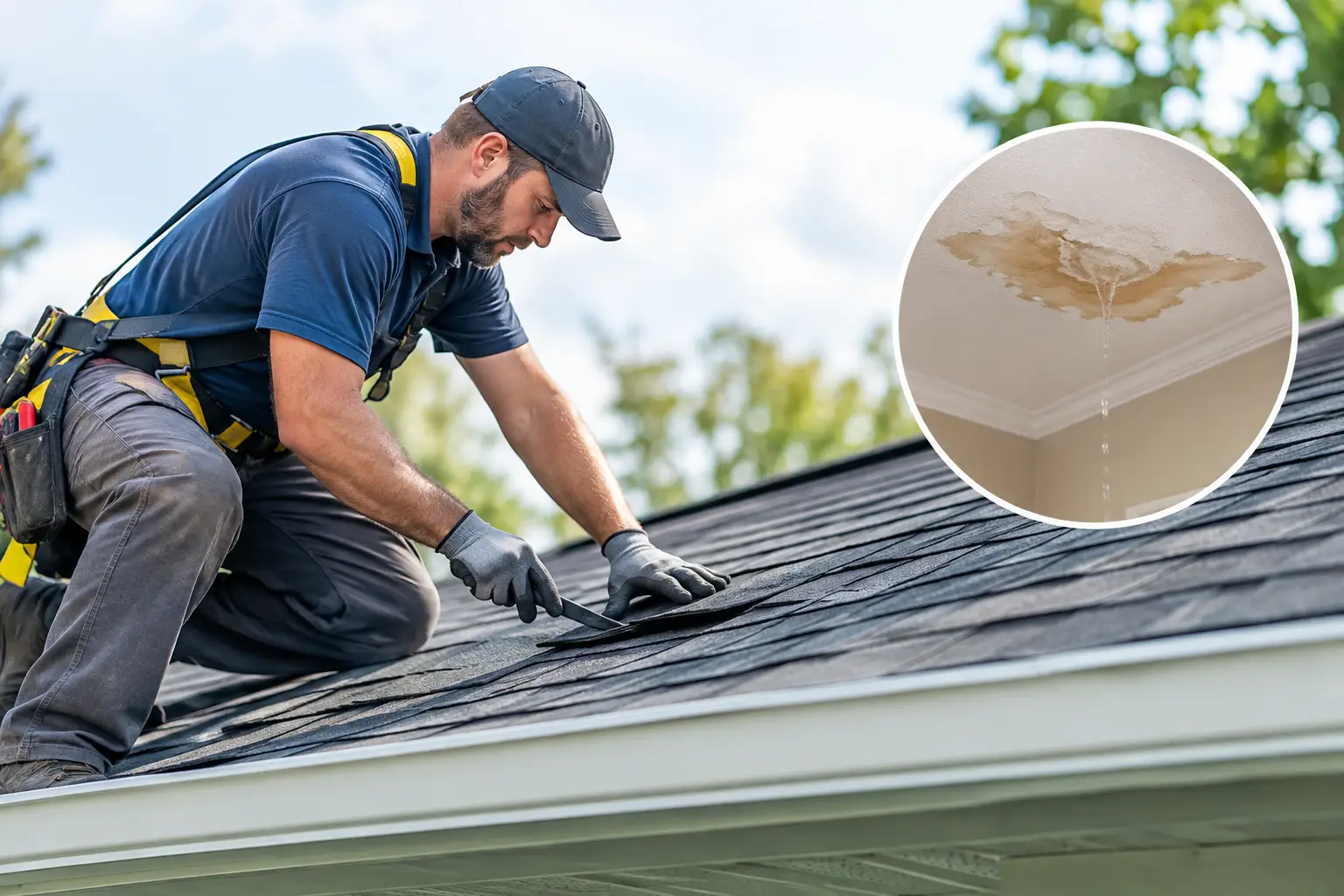
Roof Leak Repair Before Water Damage Spreads

A brown ceiling stain, a damp wall, or a drip during a hard rain is not a problem to watch for another season. Roof leak repair works best when it begins early, before trapped moisture damages insulation, framing, drywall, flooring, or electrical components. The visible water inside your building is often several feet away from the actual opening in the roof.
The right response is calm and practical: protect the interior, document what you see, and have the roof inspected for the source of the leak. A lasting repair is not just a patch over a wet spot. It means correcting the failed roofing component and checking the surrounding area for hidden damage.
Start by Containing the Water Safely
If water is actively dripping, place a bucket or pan under it and move furniture, electronics, and valuables out of the area. If the ceiling is bulging with water, do not stand directly beneath it. A water-heavy section of drywall can fail without much warning.
For a small, contained ceiling bubble, a roofing professional or restoration contractor may release the water in a controlled way after assessing the area. Do not climb onto a wet roof or try to pull apart shingles during a storm. Wet roofing is slippery, and walking in the wrong place can turn a localized leak into broader damage.
Take clear photos of the ceiling stain, dripping water, exterior damage you can safely see from the ground, and any items affected inside. This record can help with an insurance claim when storm damage is involved. It also gives your roofing contractor useful information about when and where the problem appeared.
Why the Leak Location Is Often Misleading
Water follows the path of least resistance. It can enter near a roof penetration, travel along a rafter or decking seam, and emerge at a light fixture or ceiling joint far from the original failure. That is why replacing a few shingles directly above an interior stain does not always solve the problem.
A proper inspection looks beyond the stain. The roofer checks the slope of the roof, the condition of roofing materials, flashing details, penetrations, valleys, ridges, and drainage paths. On a low-slope roof, the inspection also focuses on seams, membrane laps, ponding water, edge metal, and drains.
In Northern California, wind, sun exposure, heavy rain, debris, and fallen branches can all create or expose weak points. An aging roof may leak because materials have simply reached the end of their useful life. In other cases, the roof is still in good shape and a focused repair around a pipe boot or flashing detail is all that is needed.
Common Causes of Roof Leaks
Failed flashing around vulnerable details
Flashing is the metal or membrane material that directs water away from transitions in the roof. It is installed around chimneys, skylights, walls, valleys, vents, and other areas where the roofing surface is interrupted. Loose, rusted, improperly installed, or damaged flashing is one of the most common sources of leaks.
A repair may involve replacing the flashing entirely, resealing approved areas, and reinstalling surrounding shingles or roofing membrane correctly. Caulk alone is rarely a durable answer when the flashing itself has failed.
Damaged shingles, tiles, or roof decking
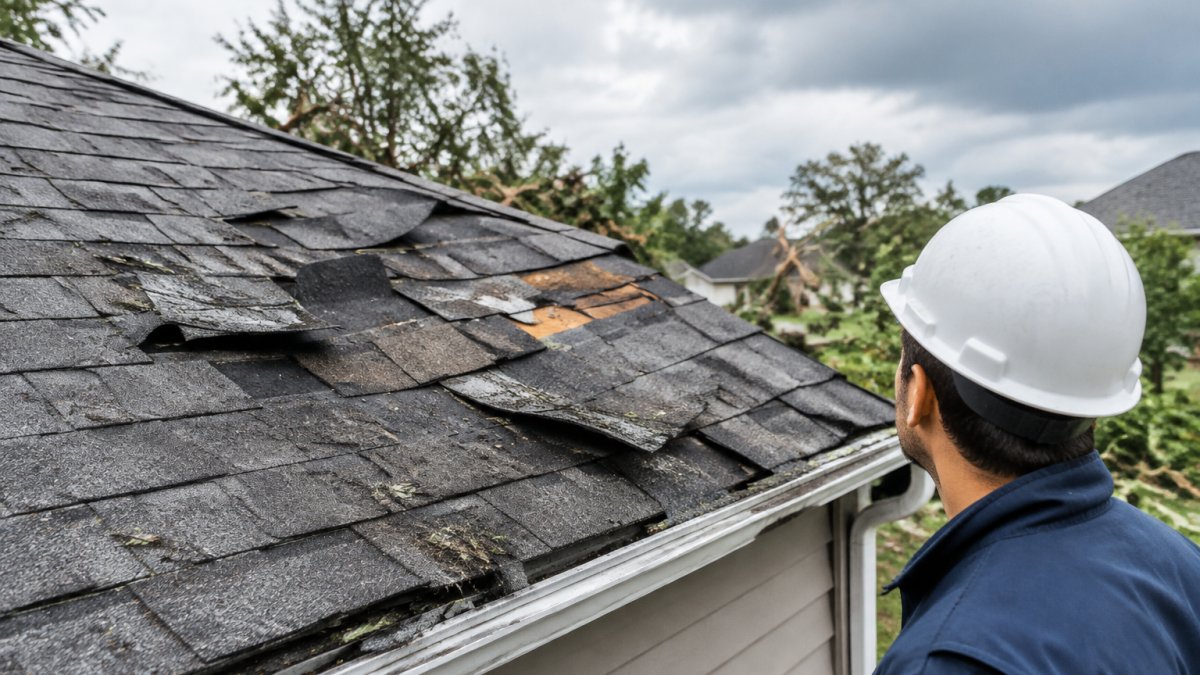
Missing, cracked, curled, or wind-lifted shingles can allow water beneath the surface. A branch strike may break shingles and damage the decking underneath. Granule loss can also leave asphalt shingles more vulnerable to sun and weather over time.
The repair must include any compromised decking, not just the visible exterior material. New roofing installed over soft, rotted, or delaminated wood will not hold up the way it should.
Worn pipe boots and vent penetrations
Rubber pipe boots around plumbing vents often dry out and crack with age. Because these areas are small, leaks can go unnoticed until interior staining appears. Exhaust vents, attic vents, and mechanical penetrations can have similar issues if their flashing or seal is no longer secure.
These repairs are usually localized when caught early, but they still require the right materials and installation method. A patch that blocks ventilation or directs water under the roof covering can create a larger issue later.
Valley and drainage problems
Roof valleys collect runoff from two roof planes. Leaves, pine needles, and roof debris can slow water movement and hold moisture where it should drain freely. Damaged valley flashing or worn roofing in this high-flow area can lead to leaks during heavy rain.
Clogged gutters can make the situation worse by forcing water back toward the roof edge and fascia. Gutter cleaning, proper slope, secure attachment, and correctly placed downspouts are part of protecting the roof system, foundation, and exterior walls.
Flat and low-slope membrane failures
Commercial buildings and some residential structures rely on TPO or other low-slope roofing systems. Leaks may form at open seams, punctures, deteriorated penetrations, failed edge details, or areas where water ponds after rain.
A low-slope repair should be based on the membrane type and condition. A compatible TPO repair can provide a strong result, but widespread seam failure, wet insulation, or repeated leaks may point to the need for a larger restoration or replacement plan.
What a Thorough Roof Leak Repair Should Include
A dependable repair begins with identifying the source rather than guessing at it. Your contractor should inspect the roof surface and the components around the suspected area, then explain what failed and what needs to be corrected. Clear photos and a written estimate help you understand the scope before work begins.
The work itself should remove damaged material as needed, repair compromised decking or underlayment, and install compatible replacement materials. The repair should tie into the existing roof so water sheds correctly. For shingle roofs, that can mean replacing adjacent shingles and restoring proper overlap. For metal roofs, it may involve correcting fasteners, panel details, flashing, or sealant at approved locations. For TPO, the repair may require professionally prepared and heat-welded membrane patches.
After the exterior repair, the interior may still need attention. Wet insulation should be evaluated because it loses effectiveness and can hold moisture against framing. Drywall, paint, and trim repairs should wait until the affected area is fully dry and any moisture issue has been resolved.
Repair or Replacement? The Answer Depends
Not every leak calls for a new roof. If the roof is relatively young, the leak is isolated, and the surrounding materials are sound, a targeted repair is usually the sensible choice. It protects the building without paying for work that is not yet necessary.
Replacement becomes more practical when leaks are recurring, shingles are broadly worn, decking damage is widespread, or the roof is nearing the end of its service life. Repeated patching can cost more over time while leaving the property exposed between repairs. A professional inspection should give you an honest recommendation based on the roof's condition, not a one-size-fits-all answer.
For commercial owners, timing matters too. A planned replacement can often be scheduled to minimize disruption, while emergency repairs may need to happen under less favorable conditions. Regular maintenance inspections make it easier to plan ahead.
How to Reduce the Chance of Another Leak
Roof maintenance is less dramatic than emergency repair, but it is usually easier on your budget. Keep gutters and roof drainage paths clear, especially after wind or heavy rain. Trim back branches that rub against the roof or could fall during a storm. From the ground, look for lifted shingles, loose metal, sagging gutters, or debris buildup.
Arrange a professional inspection after a major storm, a branch impact, or when you notice granules collecting heavily in gutters. It is also wise to have an older roof checked before the wet season. Small issues around flashing, pipe boots, and drainage can often be corrected before they reach the ceiling.
Hurtado's Roofing approaches repair work the straightforward way: inspect carefully, explain the condition clearly, and complete the work with materials and details built to last. Whether the issue is a few damaged shingles or a low-slope membrane leak, the goal is the same every SHINGLE time - keep water outside where it belongs.
If you see a stain, smell persistent moisture, or notice a drip after rain, do not wait for the next storm to provide more evidence. A timely inspection can protect your roof, your building, and the work you have put into making it home.


Comments